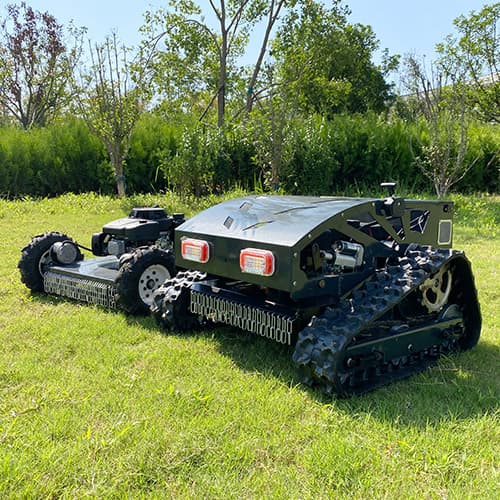

For professional landscaping contractors and vegetation management teams, equipment downtime directly cuts profits. When a remote control mower stops mid‑job, schedules get delayed and labor costs rise. Many operators overlook simple maintenance habits that can stop breakdowns before they start.
If you are shopping for reliable equipment, tracked remote control lawn mower models are built for heavy, frequent site work, and they respond well to regular preventive checks. Most failures are not sudden catastrophic damage; they stem from tiny, ignored issues on the cutting system, filters and drive parts.
1. Why Preventive Maintenance Matters
Remote control mowers run in harsh conditions: steep slopes, thick weeds, dust, mud and damp grass. These environments wear every component faster than standard lawn mowers.
Cutting blades hit rocks, roots and debris constantly.
Tracks and drive motors endure uneven ground and side slopes.
Air filters clog quickly with grass dust and dry soil.
Wiring and connectors face moisture and dirt buildup.
Grass clippings block vents and trigger overheating.
Small faults compound fast. A slightly bent blade creates heavy vibration, which loosens bolts and damages bearings. A clogged filter reduces engine power and raises the risk of shutdown during mowing.
2. Pre‑Operation Inspection Checklist
Spend 3–5 minutes checking your machine before every shift. This simple habit is the cheapest way to cut unexpected downtime.
Check the Cutting Blades
Look for cracks, chips, bends and loose mounting bolts. Remove wrapped wire, vines and grass around the blade assembly. Never run the mower with a damaged blade; vibration will destroy other parts quickly.
Check Tracks or Wheels
Inspect track tension, rubber tears and stuck debris. Clear stones wedged in track links. Loose tracks slip on slopes and put extra load on the drive gearbox.
Check Remote Control System
Test emergency stop, forward/reverse and steering functions. Check controller battery level and look for frayed cables. Signal loss and controller faults are common site complaints.
Check Engine and Fluid Levels
Verify oil level, fuel supply and hydraulic fluid if fitted. Top up or replace fluids per manufacturer guidance. Low oil is one of the top causes of sudden engine failure.
3. Blade Care to Avoid Frequent Breakdowns
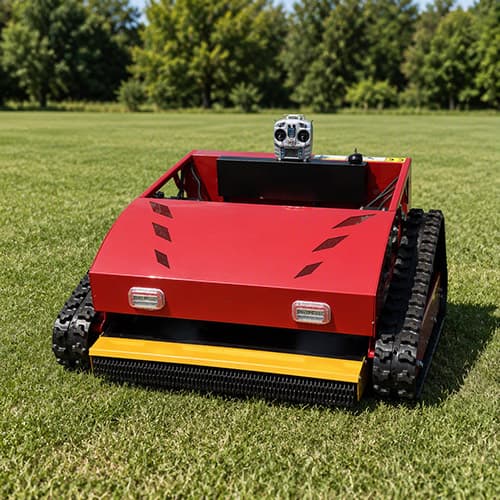
Blade maintenance is the core of remote mower upkeep. Dull blades tear grass instead of cutting cleanly, which also increases power draw and fuel consumption. Mini tank mower owners especially need regular blade service, as compact models run their blades at high RPM.
Sharpen or Replace on Schedule
Sharpen blades when cutting quality turns ragged. If the blade has deep nicks or bending, replacement is safer than sharpening. Always balance blades after sharpening to avoid vibration damage.
Clean Blades After Use
Wash grass and sap off the cutting deck. Sticky vegetation holds moisture and speeds up rust on blades and spindle parts.
4. Filter & Cooling System Maintenance
Air filters and cooling vents are easy to ignore, but they protect the engine. Clean the filter after every dusty job, and replace it on the service schedule. A blocked filter chokes airflow and raises engine temperature.
Clear grass clippings away from cooling fins and radiator surfaces. Overheating can trigger automatic shutdown mid‑operation, and repeated overheating shortens engine lifespan drastically.
5. Common Breakdown Causes & Quick Fixes
Most downtime events fall into a few repeat categories. Knowing these helps you troubleshoot fast on site.
Blade vibration: Unbalanced, bent or loose blade. Stop immediately and inspect the cutting assembly.
Overheating shutdown: Dirty filter, blocked cooling vents or low oil level.
Poor traction: Mud buildup under tracks, incorrect track tension or worn track rubber.
Remote signal drop: Low controller battery, damaged wiring or signal interference.
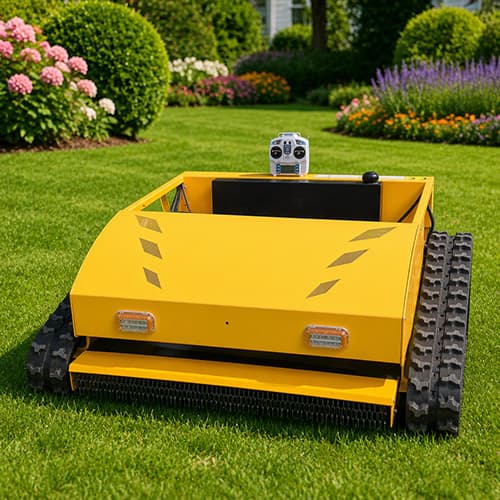
If you often work on steep solar farms or embankments, robot crawler lawn mower units have reinforced drive systems, but they still need the same daily inspection routine.
6. Simple Maintenance Schedule for Operators
You do not need complicated service plans. Stick to this cycle for reliable long‑term operation:
Daily (before & after work): Blade check, track cleanup, filter surface check, remote test, deck cleaning.
Weekly: Full filter cleaning, bolt retorque, cable inspection, fluid level check.
Scheduled service: Oil change, filter replacement, gearbox lubrication, professional inspection.
Frequently Asked Questions
Q1: How often should I inspect mower blades?
Inspect before every mowing session. More frequent checks are needed if you work on rocky ground or rough terrain.
Q2: Can dull blades cause machine downtime?
Yes. Dull blades increase engine load, waste fuel and create extra vibration that loosens fasteners and wears internal parts faster.
Q3: What is the best way to reduce remote mower downtime overall?
Consistent daily inspection + post‑job cleaning, plus following the official service interval. It is far cheaper than emergency repairs.
Conclusion
Preventive maintenance is not difficult or time‑consuming. Small daily checks and cleaning routines stop most avoidable breakdowns and keep your remote mower running through busy vegetation control seasons. Regular blade care, filter cleaning and track inspection protect your equipment investment and keep your jobs on track. Browse our full range of models at RC lawn mower category if you need a durable machine for your site. If you have questions about service parts or machine selection, reach out to us via WhatsApp.